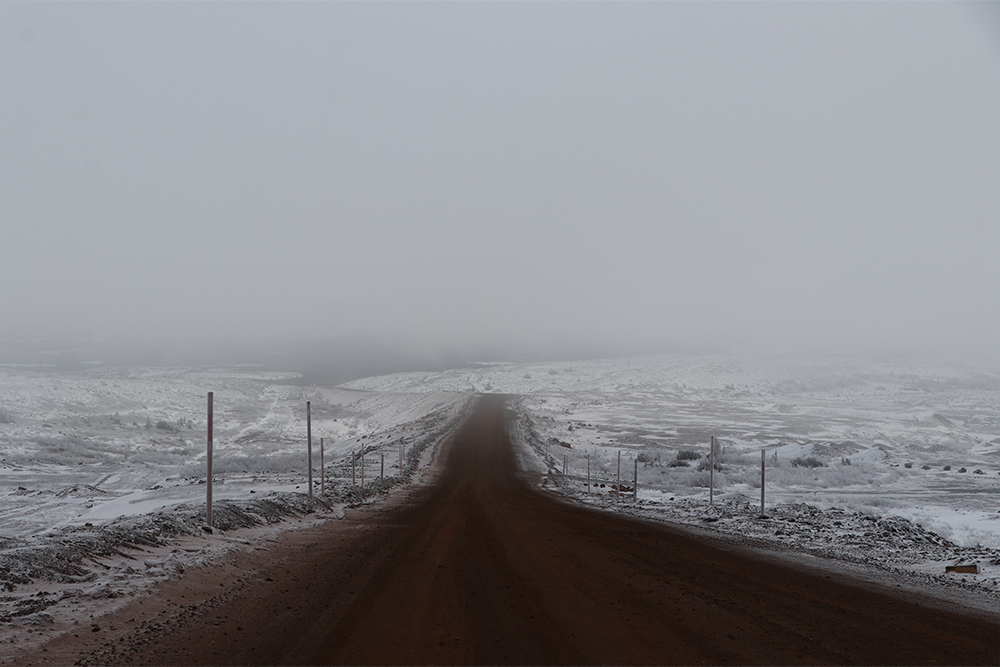
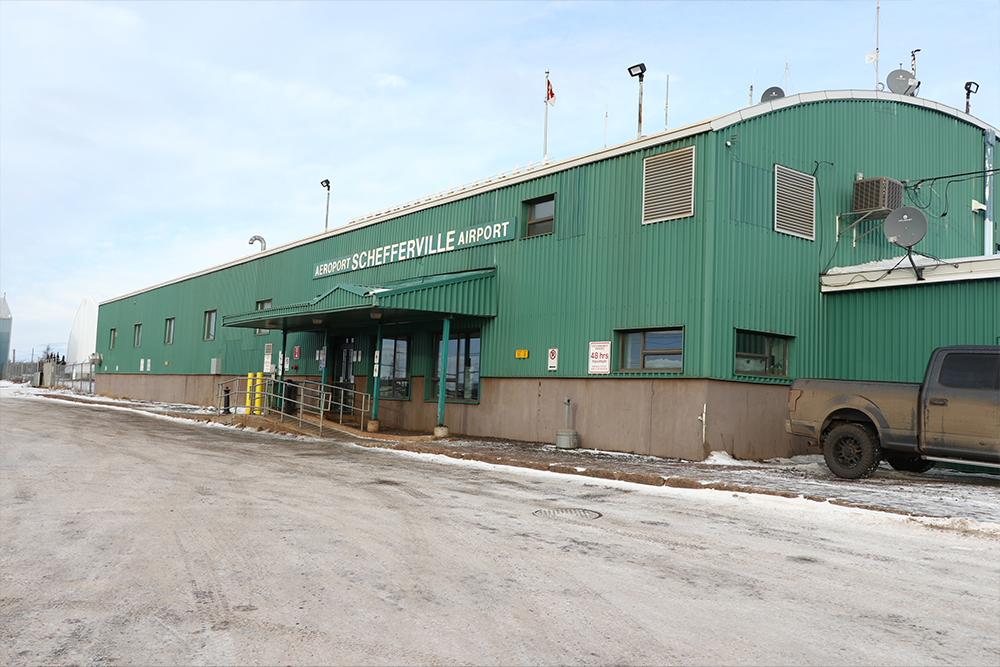
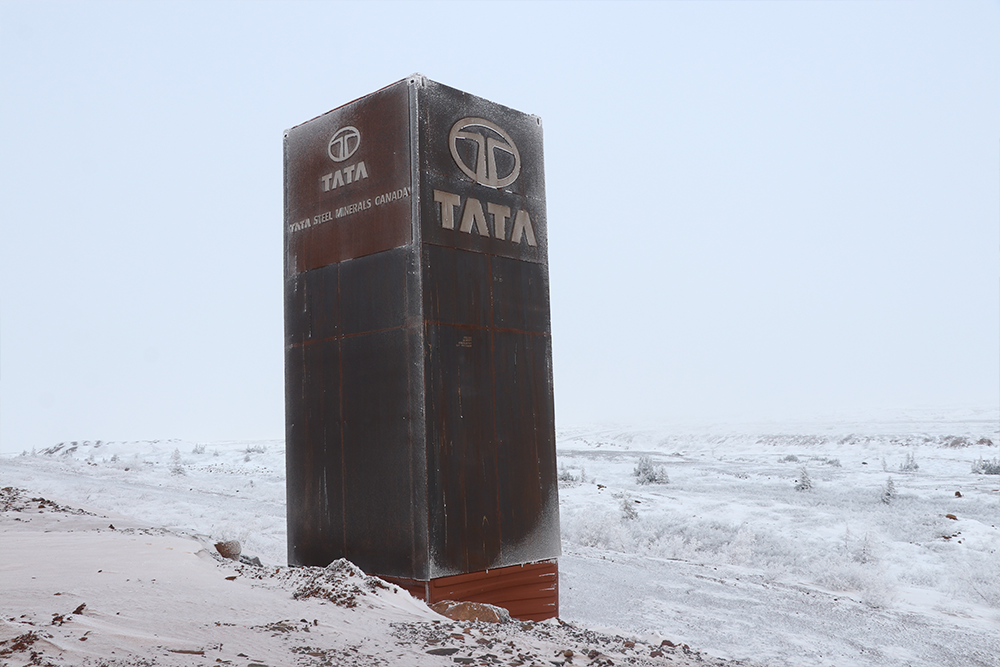
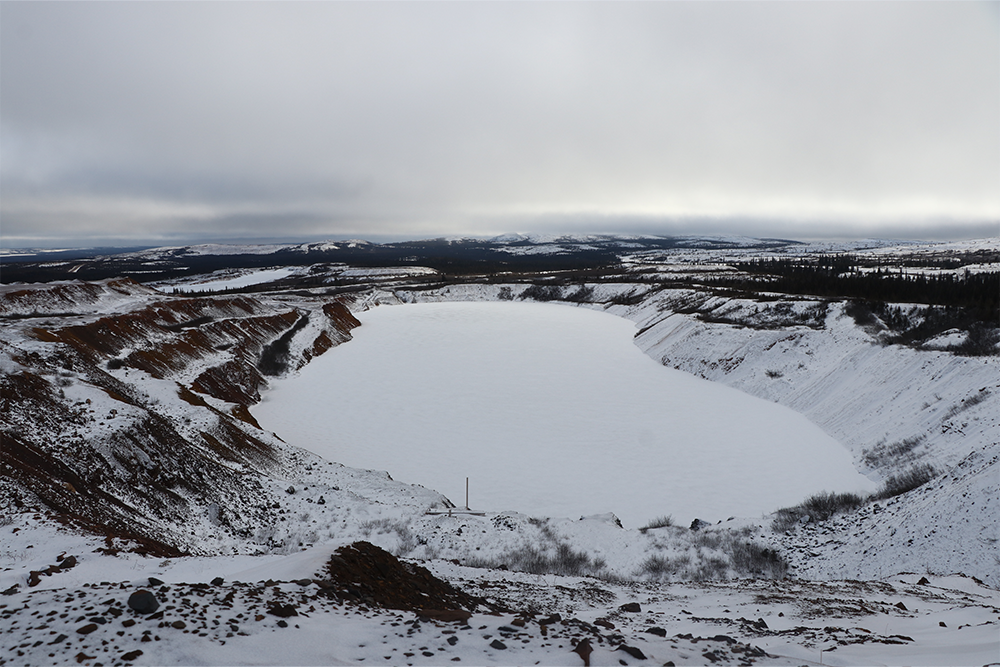
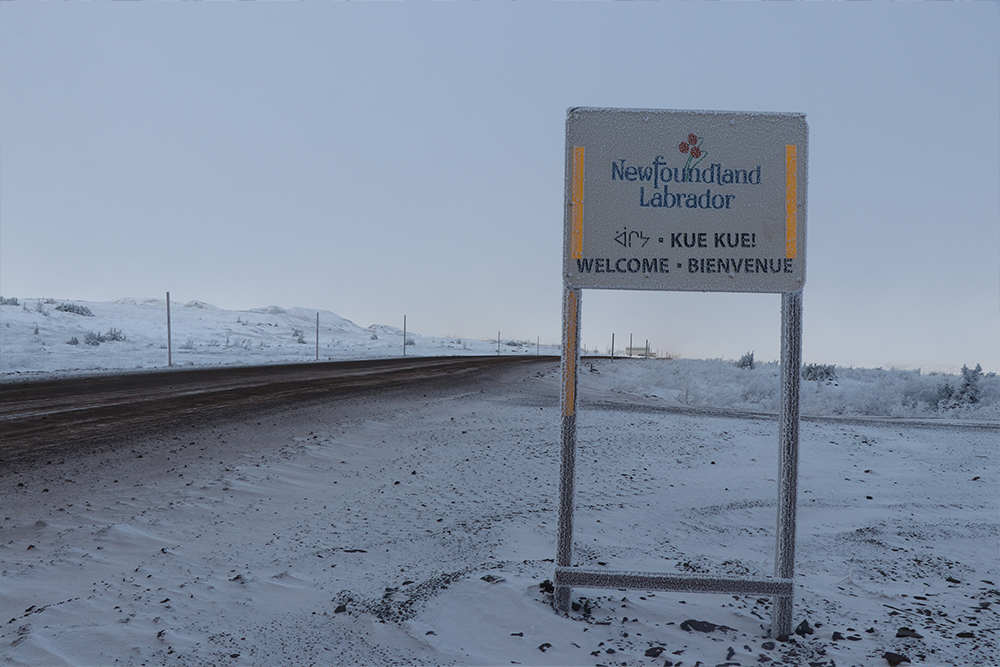
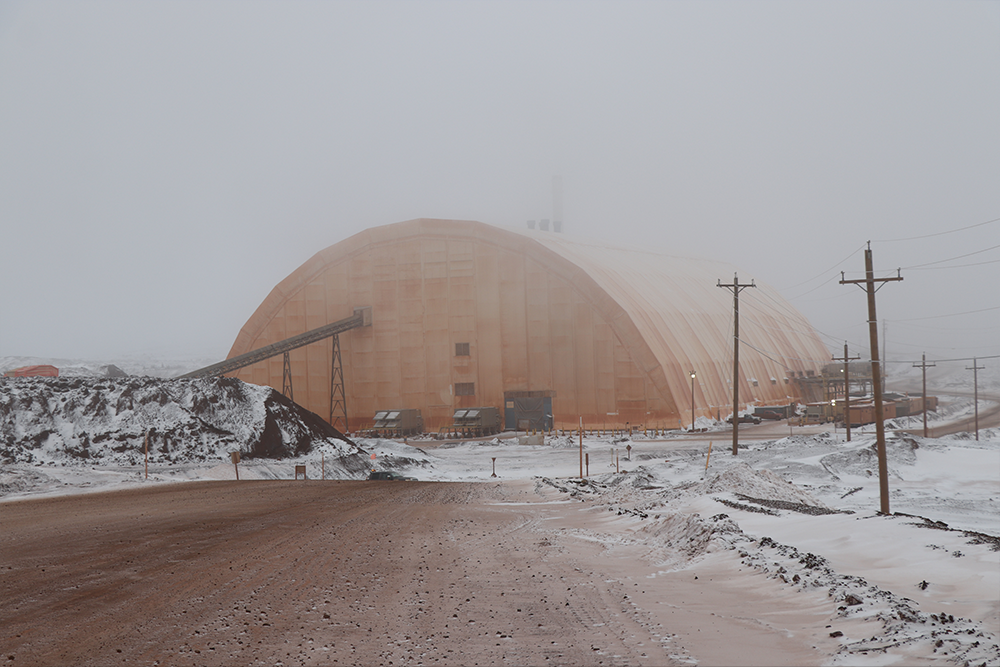
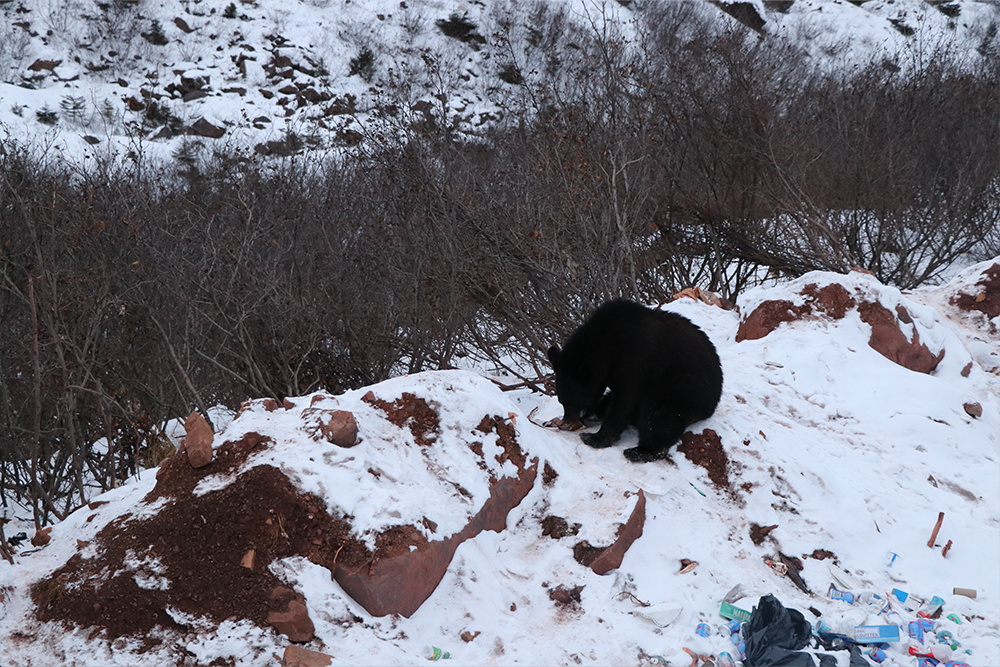
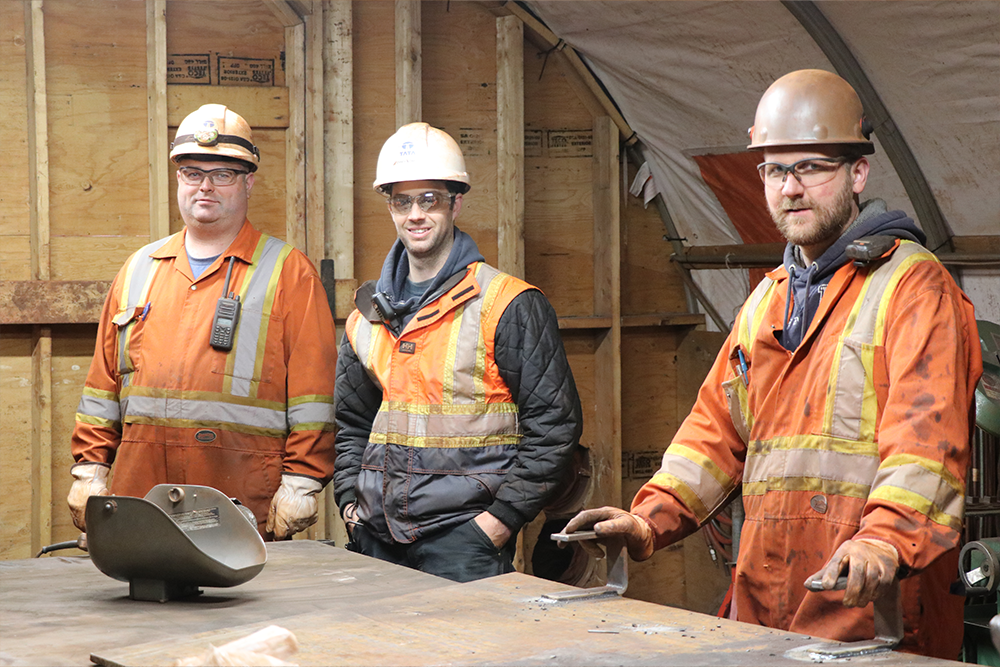
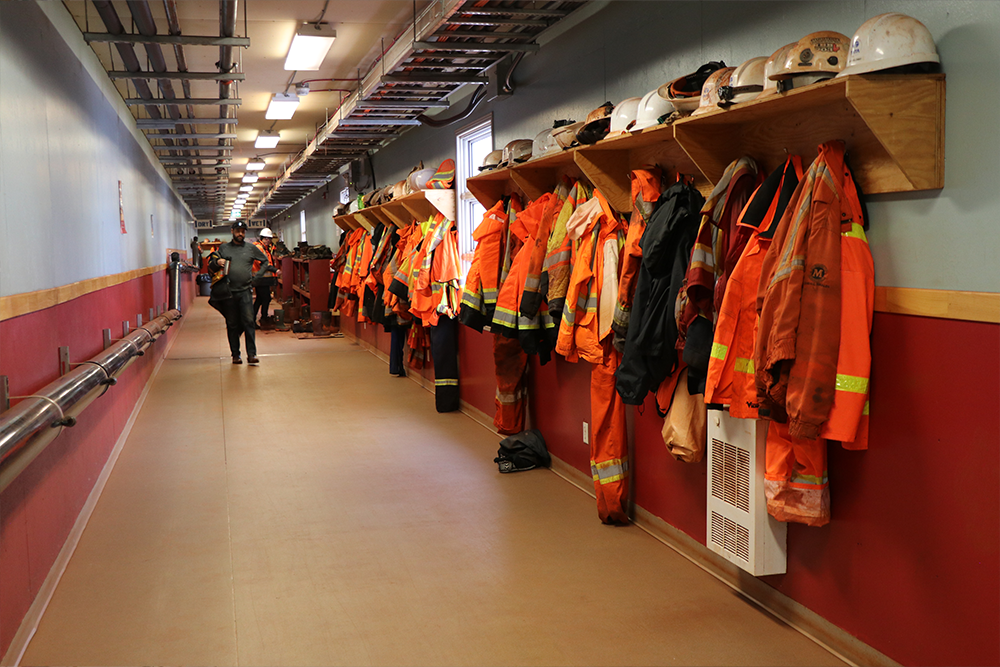
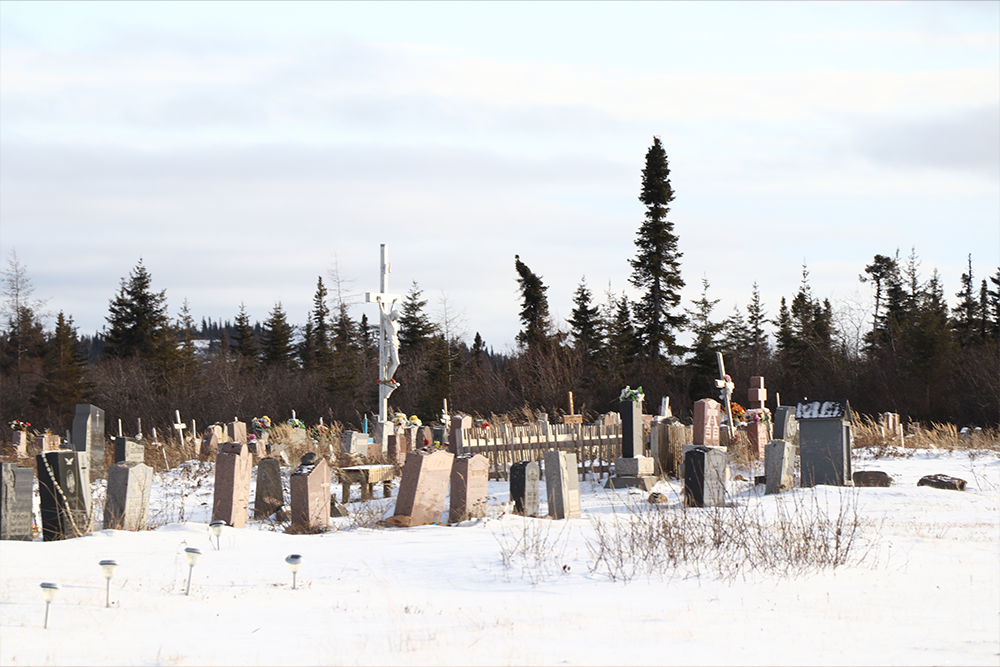
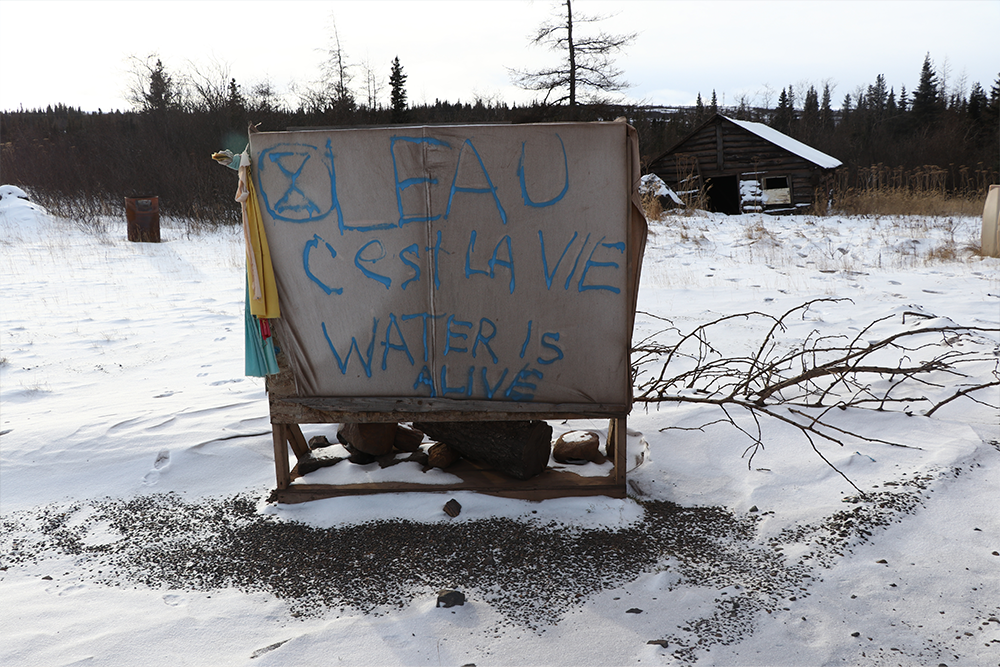
During my residency at Darling Foundry in Montreal, I received an invitation from TSMC (Tata Steel Minerals Canada) to visit its iron ore mining operations in Schefferville, a remote mining town situated on the border of Quebec and Labrador. Located on the traditional lands of the Naskapi and Innu First Nations, Schefferville is accessible primarily by air due to its subarctic climate and limited transportation infrastructure.
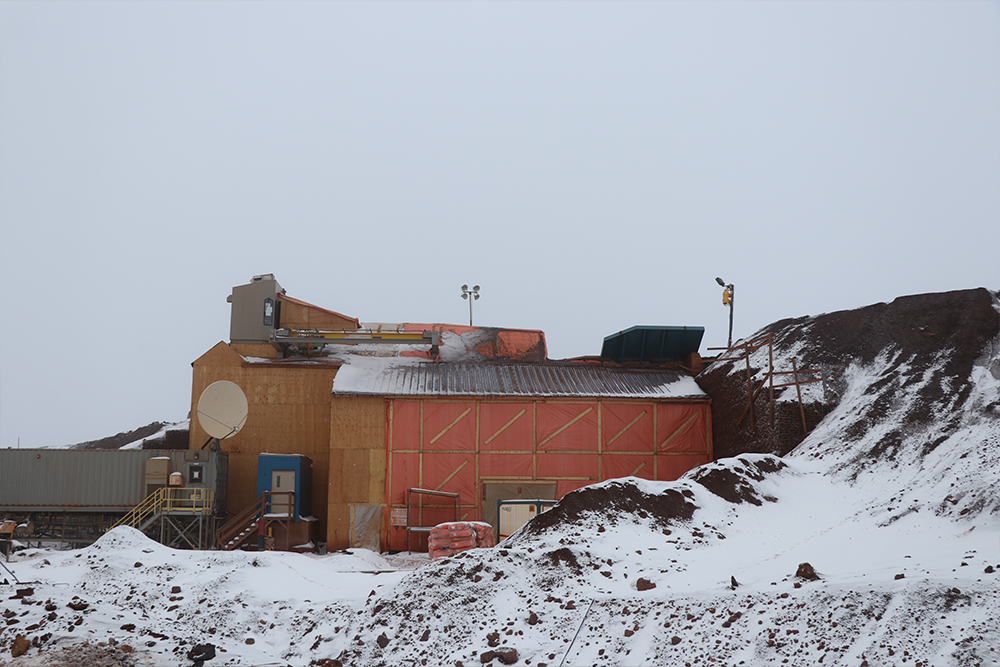
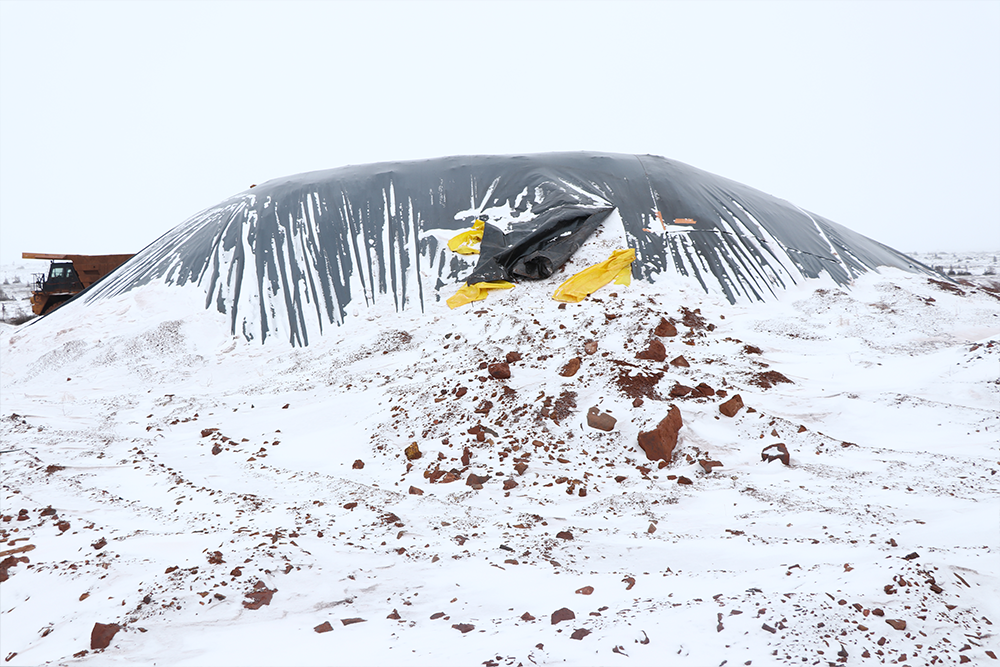
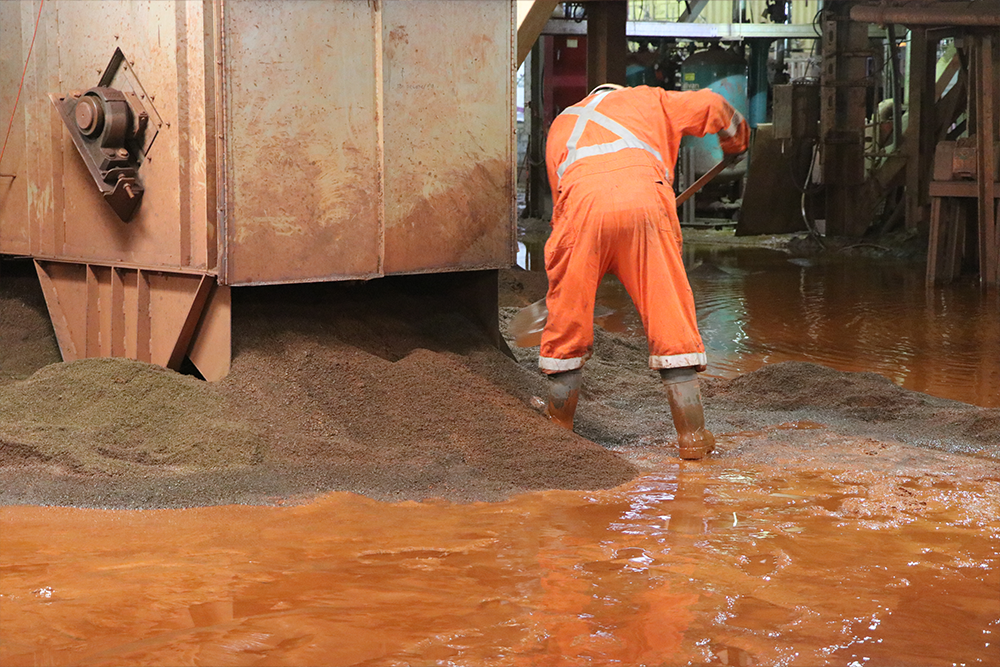
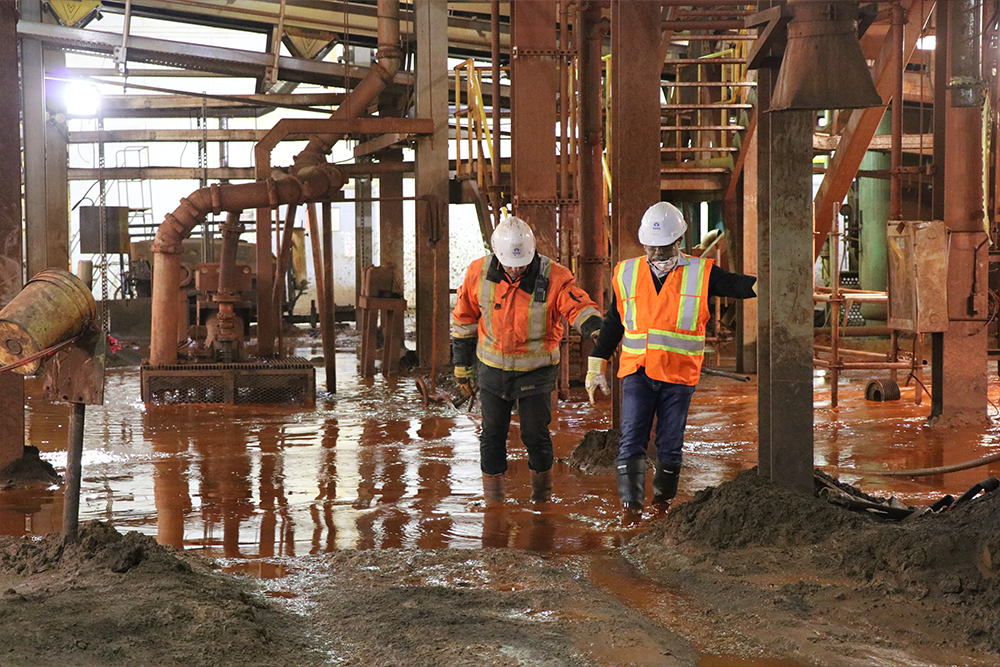
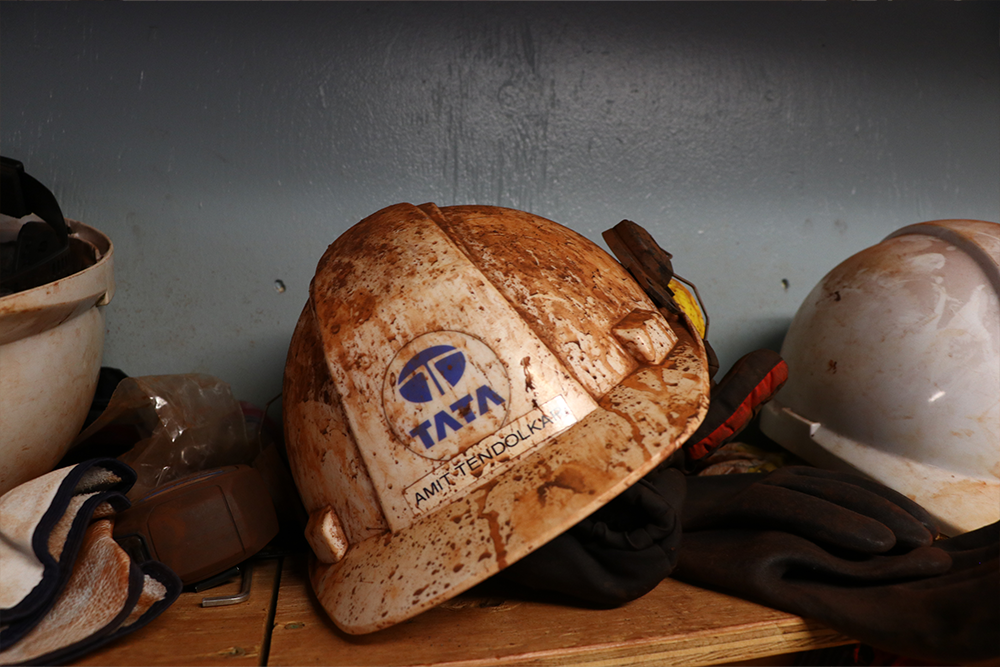
The visit opened up a wealth of experiences and reflections for me, particularly because of the similarities I encountered with the mining environment in which I grew up in Dhanbad, Jharkhand. The visit brought back memories of my childhood in Dhanbad, where my father worked in the Tata coal mines. Standing at a mining site owned by the same company in Schefferville, I felt an unexpected connection between two distant geographies and moments in time. Although separated by continents, both places were shaped by extraction industries, labour, and the rhythms of mining life.
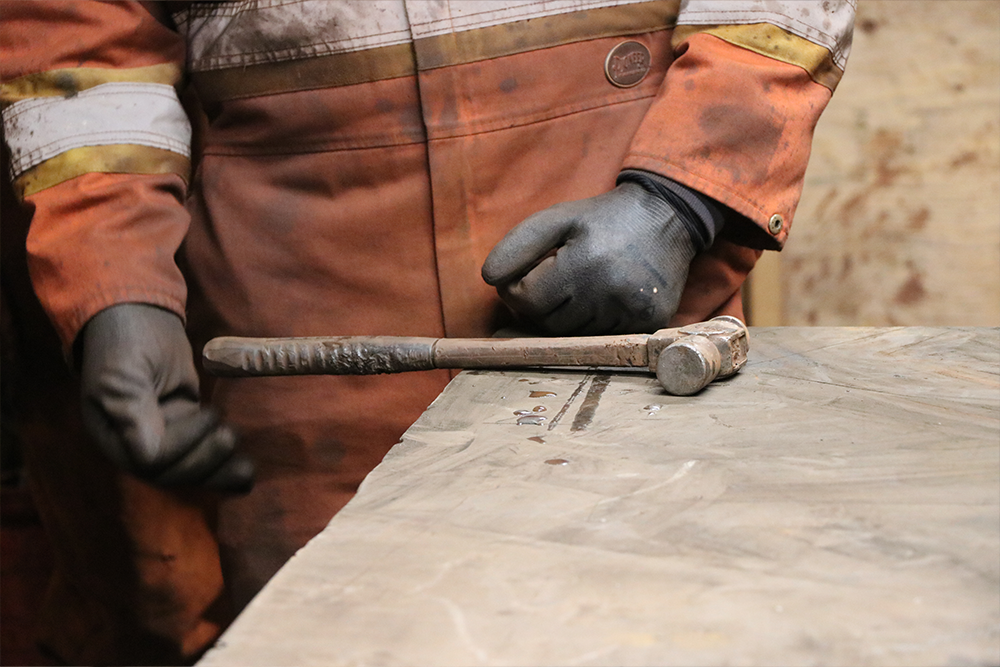
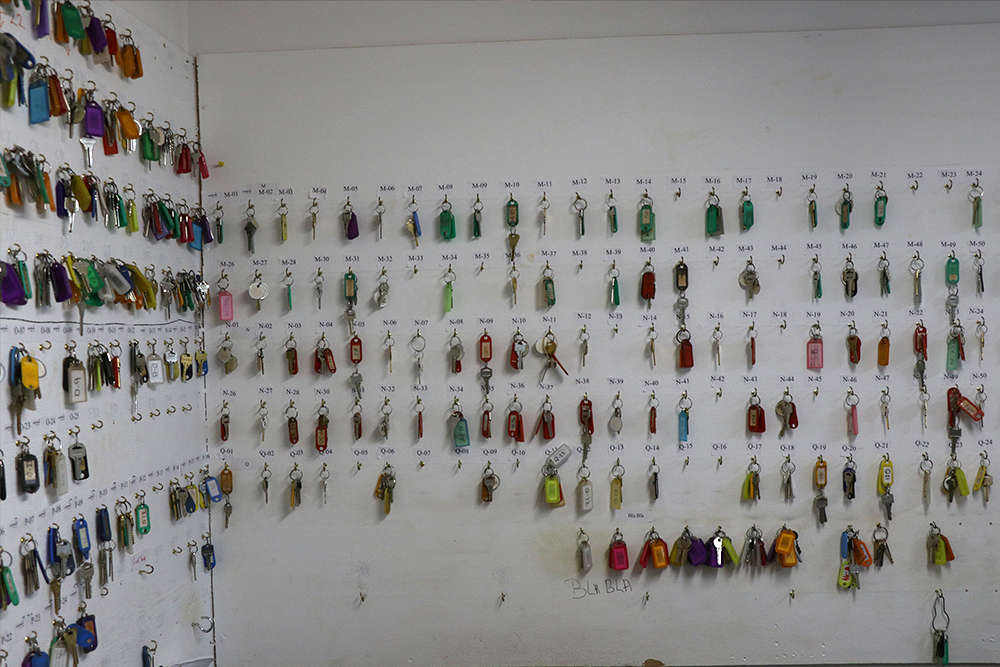
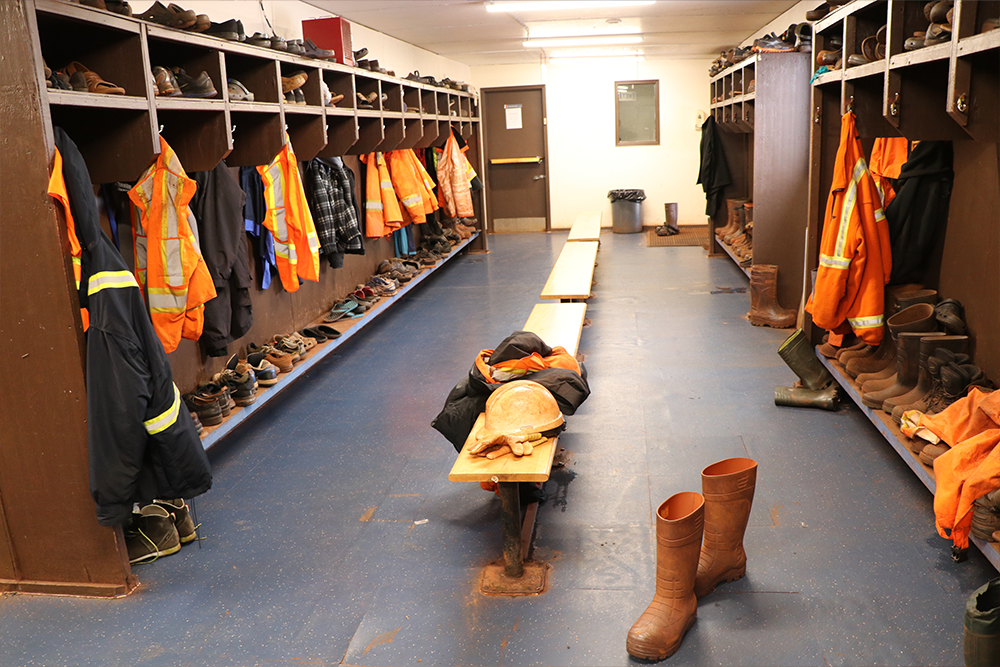
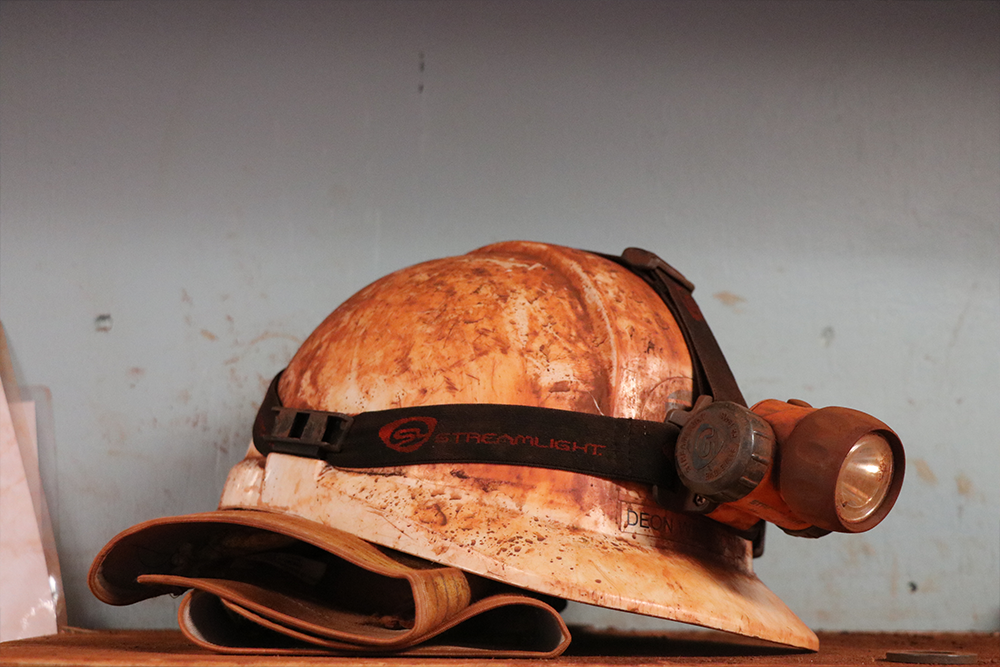
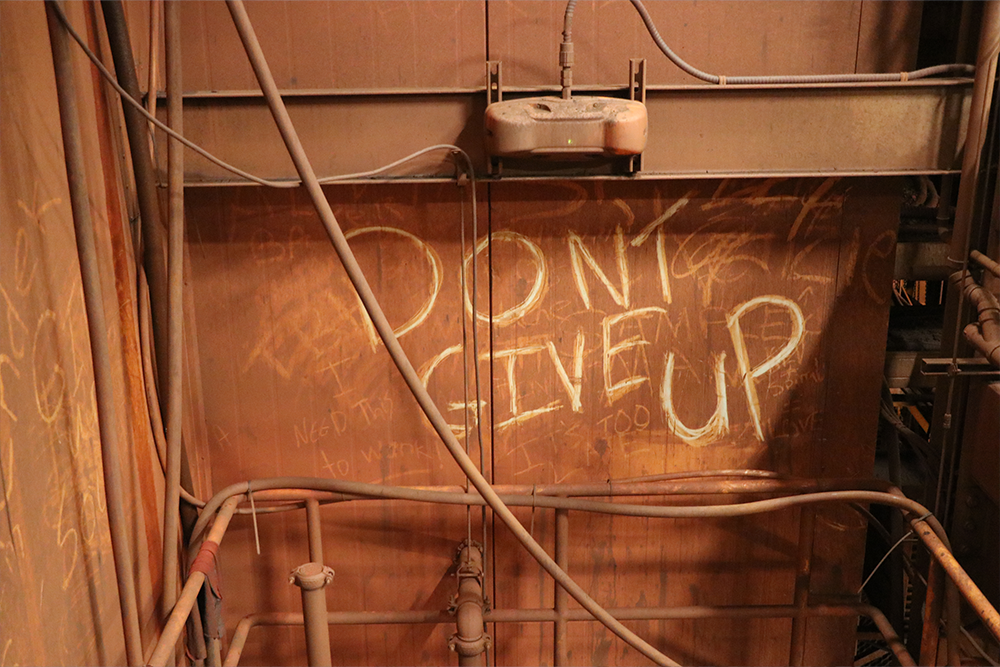
Schefferville, being a mining town, provided a unique ground from which to compare the conditions, experiences, and realities of labour in two different parts of the world. The similarities and differences in working conditions, social structures, and industrial landscapes offered a deeper understanding of how mining economies shape communities and everyday life. This encounter expanded my understanding of the relationship between labour, industry, and place, while reinforcing the role of art as a means to examine and reveal the complex dynamics of power, extraction, and labour.




PRESS :